
The Allure of Chance
The inherent allure of chance is a significant driver behind the popularity of casino gambling. Humans are naturally drawn to uncertainty and the thrill of unpredictable outcomes, which can be traced back to our evolutionary instincts. In the past, taking risks often led to survival advantages. Today, this fascination is magnified within casino environments, where the potential for substantial financial rewards encourages players to engage in activities with low probabilities of winning. For those interested in exploring new options, the online casino new zealand experience can be particularly enticing. The excitement generated by spinning a roulette wheel or pulling a slot lever taps into a primal aspect of human psychology, where the potential for reward often overshadows the inherent risks involved.
Moreover, the design of casino environments plays a crucial role in enhancing this allure. Vibrant colors, flashing lights, and celebratory sounds create a sensory overload that stimulates excitement and anticipation. These elements are meticulously curated to foster an atmosphere of fun and adventure, leading individuals to lose track of time and money. For many, a casino offers an escape from the drudgery of everyday life, where the thrill of chance provides a temporary reprieve from reality, significantly augmenting the psychological appeal of gambling.
Additionally, this relationship with chance is complicated by the concept of ‘near misses.’ Players who come tantalizingly close to winning often interpret these near-wins as signs that victory is within reach, prompting them to chase losses. This psychological trap not only reinforces the behavior of gambling but also emphasizes the deep-seated connections between human psychology and the mechanics of casino gambling. The experience of nearly winning can create a cycle of gambling that is challenging to break, illustrating how closely intertwined our psychological makeup is with the allure of chance.
The Role of Reinforcement
Reinforcement is a fundamental psychological concept that elucidates why gamblers frequently return to casinos despite experiencing losses. In behavioral psychology, reinforcement refers to the process by which a behavior is encouraged through rewards or positive outcomes. In gambling, every win—no matter how small—serves as a form of reinforcement that encourages gamblers to continue playing. This phenomenon is particularly evident in games like slot machines, where intermittent rewards create a powerful feedback loop that captivates players, making them more likely to engage in repeated gambling.
The design of gambling games often employs variable-ratio reinforcement schedules, which are remarkably effective in maintaining behaviors. Players receive rewards at irregular intervals, making each win feel like a delightful surprise and heightening the overall excitement of the activity. This unpredictability creates an addictive gambling experience, as players become conditioned to expect rewards and continuously pursue them. Consequently, the anticipation of a potential win can overshadow the losses, leading to a cycle of increased gambling behavior that is difficult to escape.
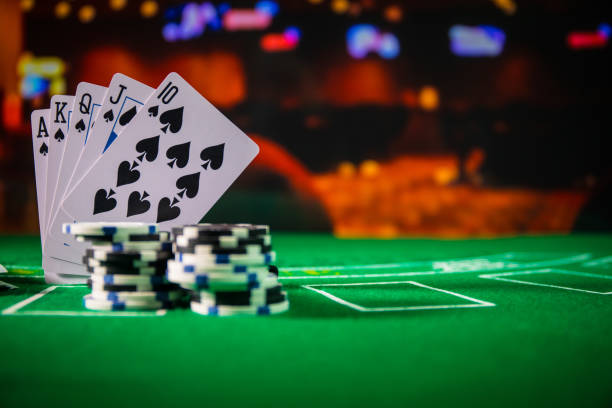
Furthermore, the social aspects of gambling can amplify the effects of reinforcement. Casinos commonly organize events and games where players can engage with one another, sharing the thrill of wins and the camaraderie of losses. This social reinforcement can make gambling feel even more rewarding, as players enjoy not only the monetary benefits but also the shared experiences with friends and fellow gamblers. The combination of personal and social reinforcement creates a compelling environment that significantly influences behavior and decision-making within casinos.
The Illusion of Control
The illusion of control is a powerful psychological phenomenon that significantly impacts how gamblers perceive their ability to influence outcomes. Many individuals harbor the belief that they can affect the results of games through skillful play or decision-making, even in activities that are purely based on chance. This cognitive bias can lead players to gamble more frequently, feeling empowered by their perceived ability to win. For example, card players often believe that their strategies can enhance their odds of success, despite the randomness inherent in the game.
This illusion is further perpetuated by the presence of rituals and superstitions surrounding gambling. Players may develop specific routines—such as wearing lucky clothing, performing certain actions before a roll, or selecting particular machines—believing these rituals can sway their luck. Such behaviors enhance the feeling of control and can increase commitment to gambling activities, thereby reinforcing the cycle of play. While these superstitions lack any basis in reality, they serve a psychological function that bolsters a player’s confidence and willingness to continue gambling.
Moreover, the illusion of control can lead to an overestimation of one’s chances of winning, contributing to the prevalence of gambling addiction. As players believe they have more influence over outcomes than they actually do, they may persist in gambling, even in the face of significant losses. This disconnect between perception and reality adds a complex layer to the psychological dynamics of casinos, showcasing how cognitive biases can shape behaviors in gambling environments. Understanding these biases is crucial for recognizing how they can lead to problematic gambling habits.
The Impact of Emotions
The emotional landscape of gambling is intricate and can profoundly influence a player’s behavior. Experiencing intense emotions—whether it be joy from a win, frustration from a loss, or excitement generated by the game’s ambiance—can all significantly affect decision-making. Positive emotions can drive players to continue gambling, encouraging them to chase the exhilaration of winning, while negative emotions may lead to poor decisions in an attempt to recover losses. This emotional rollercoaster creates an environment that can become addictive, as players seek the highs of victory and distraction from life’s challenges.
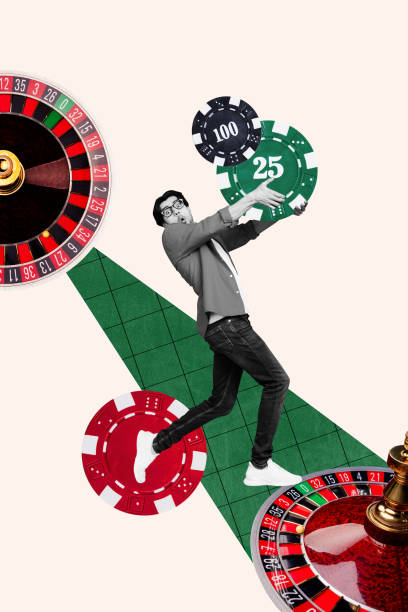
Additionally, the emotional context within which gambling occurs can exacerbate these effects. Many individuals may turn to gambling as a coping mechanism for stress, loneliness, or boredom. The temporary escape provided by the casino environment can be incredibly alluring, leading players to spend more time and money in hopes of alleviating their emotional distress. This tendency to use gambling as an emotional crutch can lead to problematic behaviors and financial difficulties, emphasizing the importance of recognizing the emotional motivations driving gambling habits.
In recognizing the powerful intersection of emotions and gambling, it becomes evident why casinos are designed to elicit strong feelings. The combination of excitement, hope, and even fear contributes to a unique atmosphere that keeps players engaged. Understanding these emotional dynamics is crucial for developing healthier gambling behaviors, as individuals work to align their recreational activities with positive emotional experiences rather than resorting to gambling as a means of escape.
Your Journey with Responsible Gambling
Understanding the psychology of casino gambling is essential for players seeking to navigate their experiences in a healthier way. Individuals are encouraged to recognize the motivations and psychological triggers behind their gambling behaviors, allowing them to make informed decisions. Being aware of the psychological elements—such as the allure of chance, reinforcement, the illusion of control, and emotional influences—can empower players to take charge of their gambling journeys. Acknowledging these factors can lead to more responsible gambling practices, ensuring that players engage in the activity primarily as a form of entertainment rather than a method of escape or financial recovery.
Several resources are available to assist individuals in maintaining a balanced approach to gambling. Engaging with responsible gaming organizations, utilizing self-exclusion programs, and establishing personal limits can all contribute to a healthier gambling experience. Players should feel empowered to seek help when necessary and to recognize when their gambling habits may be turning problematic. Ultimately, cultivating awareness and personal responsibility within the gambling framework is crucial for fostering safer environments for everyone involved.
By actively engaging with these concepts, players can transform their gambling experiences into enjoyable recreational activities, free from the pitfalls of addiction and financial distress. Prioritizing responsible gambling not only enhances personal well-being but also contributes to a healthier casino culture overall, where enjoyment and entertainment remain the primary focus. Organizations and platforms dedicated to safe gambling practices serve as valuable allies in this endeavor, ensuring that the joy of casino gaming remains a positive experience for all.